



Check your email for a link to activate your secure patient portal.
Understanding Your Cardiometabolic Health
Tracy Cormier • September 17, 2026
This is a subtitle for your new post
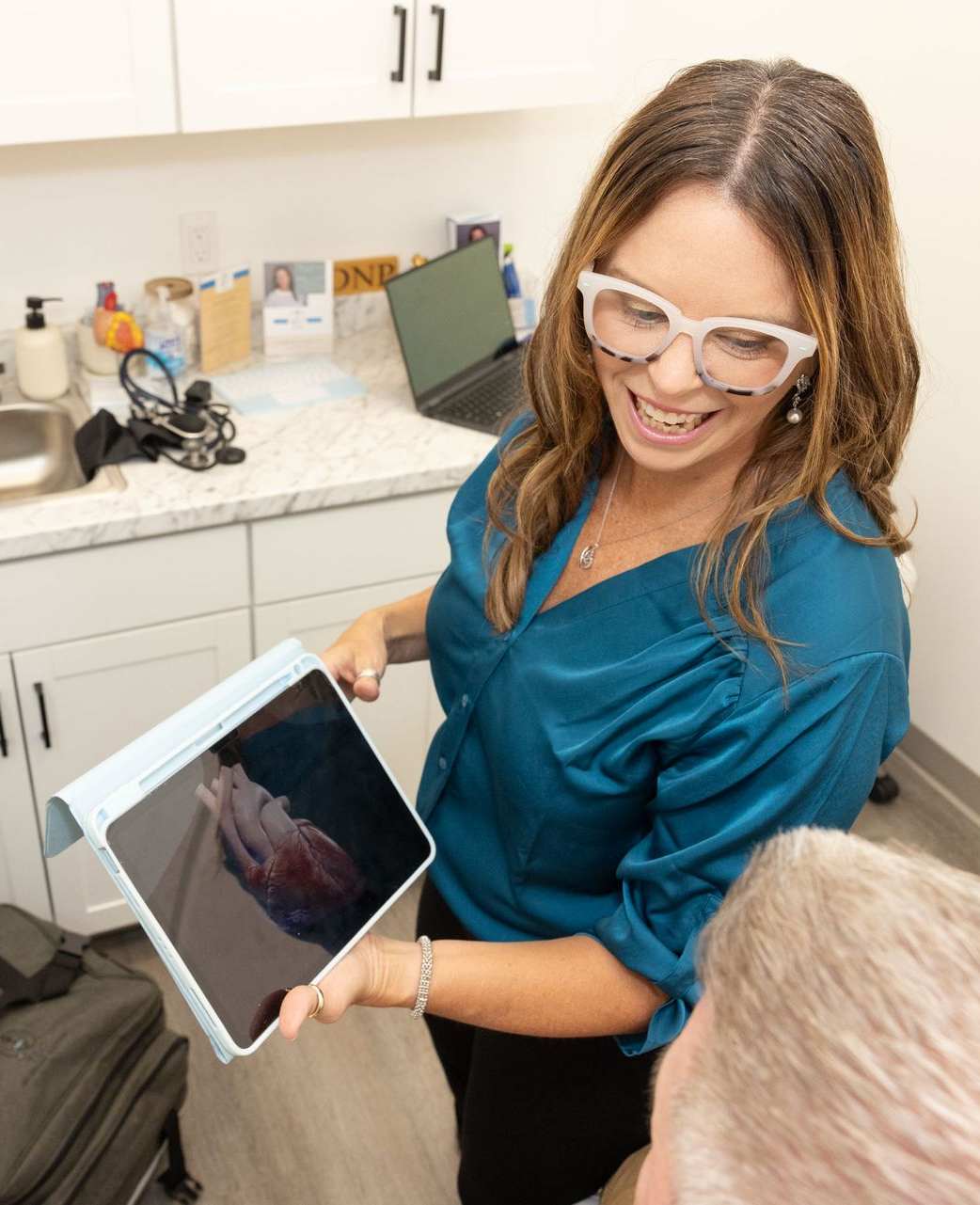
Understanding Your Cardiometabolic Health
Heart Health • Metabolism • Weight • Blood Sugar • Sleep
Cardiometabolic health describes how well your heart, blood vessels, metabolism, blood sugar, cholesterol, blood pressure, weight, and other related factors work together. These systems are closely connected. Changes in one area can increase your risk for problems in another, which is why TLC Healthcare Solutions takes a whole-person approach rather than looking at each number individually.
What can affect cardiometabolic health?
Several common conditions and lifestyle factors can increase cardiovascular and metabolic risk:
- High blood pressure
- High LDL cholesterol or triglycerides
- Prediabetes or diabetes
- Overweight or obesity, particularly excess abdominal weight
- Physical inactivity
- Poor nutrition
- Smoking or tobacco use
- Poor-quality or inadequate sleep
- Obstructive sleep apnea
- Family history of cardiovascular disease
- Chronic stress
Having one risk factor does not mean you will develop heart disease. However, multiple risk factors occurring together can substantially increase long-term cardiovascular risk.
Why does cardiometabolic health matter?
High blood pressure, high cholesterol, and elevated blood sugar often cause few or no symptoms in their early stages. Over time, uncontrolled risk factors can contribute to damage of the blood vessels, heart, kidneys, and other organs and increase the risk of coronary artery disease, heart attack, stroke, heart failure, diabetes, and kidney disease.
The good news is that many cardiometabolic risk factors are modifiable. Identifying them early gives you and your healthcare provider an opportunity to intervene before complications develop.
Your Cardiometabolic Evaluation at TLC
Your evaluation is personalized to your medical history and may include review of your:
Blood pressure and heart rate: Identifying hypertension and establishing an appropriate blood-pressure goal.
Weight and waist-related risk: Looking beyond the number on the scale to understand how weight may affect cardiovascular and metabolic health.
Cholesterol: Reviewing LDL, HDL, triglycerides, and other lipid testing when appropriate.
Blood sugar: Evaluating fasting glucose and/or hemoglobin A1c for evidence of prediabetes or diabetes.
Heart health: Reviewing symptoms, family history, medications, previous cardiac testing, and overall cardiovascular risk.
Sleep: Screening for snoring, daytime fatigue, witnessed apnea, and other signs of obstructive sleep apnea.
Lifestyle: Discussing nutrition, exercise, stress, alcohol/tobacco exposure, sleep habits, and realistic opportunities for improvement.
Additional laboratory or diagnostic testing may be recommended based on your individual history and findings.
Small Changes Can Make a Big Difference
Cardiometabolic health isn't about achieving perfection. Sustainable changes are usually more valuable than short-term extremes. Focus on a heart-healthy eating pattern rich in vegetables, fruits, lean proteins, whole grains, healthy fats, and fiber while limiting highly processed foods, excess sodium, and added sugars.
Regular physical activity is equally important. For many adults, a goal of at least 150 minutes of moderate-intensity aerobic activity each week, along with muscle-strengthening activity on at least two days per week, is recommended. Your exercise plan should be individualized if you have cardiovascular disease, significant symptoms, or physical limitations.
Adequate sleep, stress management, tobacco cessation, weight management when appropriate, and taking prescribed medications consistently are also important parts of reducing risk.
The TLC Approach
At TLC Healthcare Solutions, we don't want to simply tell you that your blood pressure, cholesterol, weight, or blood sugar is high. We want you to understand what your numbers mean, why they matter, and what you can do about them.
Your individualized cardiometabolic plan may include lifestyle changes, weight-management strategies, medication management, laboratory monitoring, sleep apnea evaluation, preventive cardiology services, and ongoing follow-up.
Our goal is to identify risks early and work together to protect your heart, metabolism, and long-term health.
Know your numbers. Understand your risk. Make a plan.
TLC Healthcare Solutions
Come Home to Care.™
Dr. Tracy Cormier, DNP, APRN, ANP-BC
📞 959-301-9606
📍 Coventry, Connecticut | Telehealth Available
TLC Healthcare Solutions
This educational information is intended for general guidance and does not replace individualized medical evaluation, diagnosis, or treatment.
Subscribe to receive expert healthcare insights, compassionate guidance, and practical tips — delivered with clarity and care.
Thank you for contacting us.
We will get back to you as soon as possible.
We will get back to you as soon as possible.
Oops, there was an error sending your message.
Please try again later.
Please try again later.